

When your Macbook Wifi fails, it can disrupt your work, entertainment, and communication. Many users face sudden drops, slow speeds, or an inability to connect at all. These problems are especially frustrating if you rely on your Macbook for daily tasks or remote work. In this article, you’ll find clear explanations of why Wifi issues happen on Macbooks, along with practical fixes—no technical jargon, just simple guidance. Whether you’re dealing with Macbook Air Wifi not working, Macbook Pro Wifi keeps disconnecting, or other wireless troubles, you’ll learn how to solve them and regain a stable connection.
Common Causes Of Wifi Issues On Macbook
Understanding the root of the problem is the first step. Several factors can lead to Wifi problems on Macbook devices. Here are the most frequent causes:
- Software glitches – Sometimes, macOS updates or system bugs affect Wifi functionality. These may cause random disconnects or prevent connecting to networks. For example, an update might change how your Macbook interacts with certain routers, leading to sudden drops.
- Network interference – Other wireless devices, microwaves, or even neighbouring Wifi networks can interfere with your signal. If you live in an apartment with many Wifi networks, your signal can overlap with others, causing instability.
- Router compatibility – Not all routers work perfectly with Macbooks. Outdated firmware or mismatched settings can result in connection problems. Some routers may default to settings that aren’t ideal for Apple devices, like mixed bands or legacy modes.
- Hardware faults – Physical damage, loose connections, or ageing Wifi chips inside your Macbook can lead to intermittent or total loss of connectivity. Even minor bumps can loosen internal connections, especially over time.
- Incorrect settings – Misconfigured network settings or forgotten passwords can prevent successful connection. Sometimes, network profiles saved under old settings may conflict with new ones, creating confusion.
- Security software conflicts – Antivirus or firewall applications may block Wifi access unintentionally. A firewall update can suddenly block communication with your router, even if everything else works.
- Location and environment – Thick walls, metal objects, or long distances from the router can weaken your signal. In houses with several floors, Wifi signals often struggle to reach upper or lower levels.
Examples Of Real-world Wifi Issues
- A student’s Macbook Air Wifi drops every 10 minutes during online lectures, caused by nearby Bluetooth speakers interfering. Bluetooth uses similar frequencies as Wifi, so having both active can create clashes.
- An office worker’s Macbook Pro Wifi won’t connect to public networks, traced to strict security settings on the laptop. The firewall was set to block all unknown connections, preventing access to hotel or café Wifi.
- After a macOS update, several users report slow Wifi speeds on Macbook, often resolved by changing DNS settings. Some networks default to slow DNS servers, so switching to faster ones can improve browsing.
You might also see issues after moving your Macbook to a new location. For example, working in a café with lots of electronic devices nearby can create interference, even if your Wifi worked perfectly at home.
Diagnosing Wifi Problems On Macbook
Before fixing, you need to identify the exact issue. Here’s a step-by-step approach:
Step 1: Test Other Devices
Check if phones, tablets, or other laptops connect to the same Wifi. If they work fine, the issue is likely with your Macbook. If none connect, your router or internet service may be at fault.
Step 2: Inspect Signal Strength
Look at the Wifi icon on your screen. One or two bars mean weak signal. Move closer to the router and see if the connection improves. If you notice the signal jumps up as you move, it’s a sign your location is affecting connectivity.
Step 3: Restart Devices
Restart your Macbook and the router. This simple action can fix many minor software glitches. Sometimes, routers need a few minutes to fully reboot. Wait before checking your connection again.
Step 4: Run Wireless Diagnostics
Macbooks have a built-in tool. Hold the Option key, click the Wifi icon, and select “Open Wireless Diagnostics”. Follow the instructions. This tool can reveal hidden issues, like misconfigured settings or software conflicts.
Step 5: Check Network Settings
Go to System Settings > Network > Wifi. Review your preferred networks and check for unusual entries. Sometimes, old or duplicate networks cause confusion, especially if you’ve travelled or used your Macbook in different places.
Step 6: Review Recent Changes
Think about any new apps, updates, or hardware added recently. These can sometimes trigger Wifi issues. For example, installing a new VPN or firewall may change how your Macbook connects to Wifi.

Credit: makaiteetum.com
Software-related Wifi Issues And Fixes
Most Macbook Wifi problems stem from software. Here’s how to address them:
Macos Updates Causing Wifi Problems
Sometimes, updating macOS leads to Wifi failures. This can be due to driver incompatibility or bugs in the update itself.
Fix:
- Check for further updates (Apple often releases patches). Go to System Settings > Software Update and see if a fix is available.
- If no patch exists, consider downgrading to the previous macOS version, but only if the issue is severe. Back up your data first.
Often, these issues are temporary and resolved in a few days. If you must downgrade, look for guidance from Apple or trusted forums, as the process can be tricky.
Network Settings Errors
Incorrect or outdated settings can block Wifi access.
Fix:
- Remove and re-add the Wifi network:
- Go to System Settings > Network > Wifi.
- Click the network, then “Forget”.
- Reconnect and enter the password again.
- Reset network settings:
- Open Terminal and enter: `sudo ifconfig en0 down` then `sudo ifconfig en0 up`.
If you use multiple networks (home, office, public spaces), make sure only trusted networks are set as preferred.
Dns And Ip Configuration Issues
If your Macbook connects but loads pages slowly or not at all, the problem might be DNS or IP settings.
Fix:
- Change DNS to Google’s (8.8.8.8, 8.8.4.4) or Cloudflare’s (1.1.1.1).
- Go to System Settings > Network > Wifi > Advanced > DNS.
Sometimes, your Internet Service Provider’s DNS is slow or unreliable. Changing to a public DNS often speeds up browsing and improves connection reliability.
Security Software Conflicts
Firewalls, VPNs, or antivirus can block Wifi.
Fix:
- Temporarily disable security apps.
- See if Wifi improves. If yes, adjust settings or switch software.
A common mistake is leaving VPNs or firewalls on during troubleshooting. These tools can mask problems, so always test Wifi with them off.
Example: Dns Settings Comparison
Here’s a comparison of DNS providers for Macbook Wifi issues:
| DNS Provider | Primary Address | Secondary Address | Typical Speed | Reliability |
|---|---|---|---|---|
| Google DNS | 8.8.8.8 | 8.8.4.4 | Fast | High |
| Cloudflare | 1.1.1.1 | 1.0.0.1 | Very Fast | High |
| OpenDNS | 208.67.222.222 | 208.67.220.220 | Moderate | Medium |
Switching to a fast and reliable DNS can solve mysterious browsing problems and boost your overall internet experience.
Hardware-related Wifi Issues On Macbook
Sometimes, the issue is physical. Here are the most common hardware problems:
Faulty Wifi Card
After years of use, the internal Wifi card can fail.
Symptoms:
- Wifi disappears from settings.
- No networks detected.
- Wifi keeps disconnecting even after software resets.
Fix:
- Visit an authorised Apple service centre for diagnostics and replacement.
If your Macbook is under warranty, repairs may be free. For older devices, consider the cost of repair versus upgrading.
Antenna Problems
Macbooks have tiny antennas inside the body. Damage or loose connections can weaken signal.
Symptoms:
- Full bars but slow speed.
- Drops in specific locations.
- Signal strength varies when moving the Macbook.
Fix:
- Only skilled technicians should open Macbooks. Avoid DIY unless you have experience.
An antenna problem can be hard to spot. If you notice Wifi drops only when the Macbook lid is moved, this may be the cause.
Ageing Hardware
Older Macbooks may not support newer Wifi standards (like Wifi 6).
Symptoms:
- Works only with older routers.
- Fails with modern, high-speed networks.
- Limited speed, even with strong signal.
Fix:
- Use compatible routers.
- Consider upgrading your Macbook if Wifi is essential.
If you rely on video calls or large downloads, an upgrade may be necessary for smooth performance.
Comparing Macbook Models And Wifi Capabilities
Here’s how different Macbook models compare:
| Model | Supported Wifi | Max Speed | Year Released |
|---|---|---|---|
| Macbook Air (2020) | Wifi 5 (802.11ac) | 1300 Mbps | 2020 |
| Macbook Pro (2021) | Wifi 6 (802.11ax) | 2400 Mbps | 2021 |
| Macbook Pro (2015) | Wifi 5 (802.11ac) | 867 Mbps | 2015 |
If you use a newer router with an older Macbook, you may not get the full speed or stability. Always check your Macbook’s Wifi standard before upgrading your home network.
Router And Network Issues Affecting Macbook Wifi
The problem may not be your Macbook. Routers are often the cause.
Outdated Firmware
Routers need updates, too.
Fix:
- Log into your router’s admin page.
- Check for firmware updates.
Firmware updates fix bugs, improve compatibility, and sometimes boost speed. Make updating your router a regular habit.
Overcrowded Channels
If many Wifi networks are nearby, signals can overlap.
Fix:
- Change the router channel to a less crowded one (usually channels 1, 6, or 11).
- Use 5GHz band for less interference.
You can use free tools or apps to scan Wifi channels and see which are crowded.
Bandwidth Limits
Some routers limit how many devices can connect.
Fix:
- Disconnect unused devices.
- Upgrade your router if needed.
If your home has smart TVs, tablets, phones, and computers, older routers can struggle to handle all connections at once.
Router Comparison For Macbook Users
Which routers work best with Macbooks? Here’s a quick comparison:
| Router Model | Wifi Standard | Macbook Compatibility | Price Range |
|---|---|---|---|
| TP-Link Archer AX50 | Wifi 6 | Excellent | £100–£150 |
| Netgear Nighthawk R7000 | Wifi 5 | Good | £70–£120 |
| Apple Airport Extreme | Wifi 5 | Very Good | £90–£180 |
If you have a modern Macbook, consider a Wifi 6 router for best results. If your Macbook is older, Wifi 5 routers still offer solid performance.
Environmental And Location-based Wifi Challenges
Your surroundings play a big role in Wifi performance.
Signal Obstructions
Walls, floors, and furniture can block signals.
Fix:
- Place your router in an open, central location.
- Avoid putting routers near thick walls or metal objects.
Sometimes, moving the router just a few feet can make a big difference. Try to place it above furniture and away from corners.
Distance From Router
Wifi strength drops with distance.
Fix:
- Move closer to the router.
- Use Wifi extenders or mesh systems for larger spaces.
Mesh Wifi systems are especially useful in homes with multiple floors or thick walls.
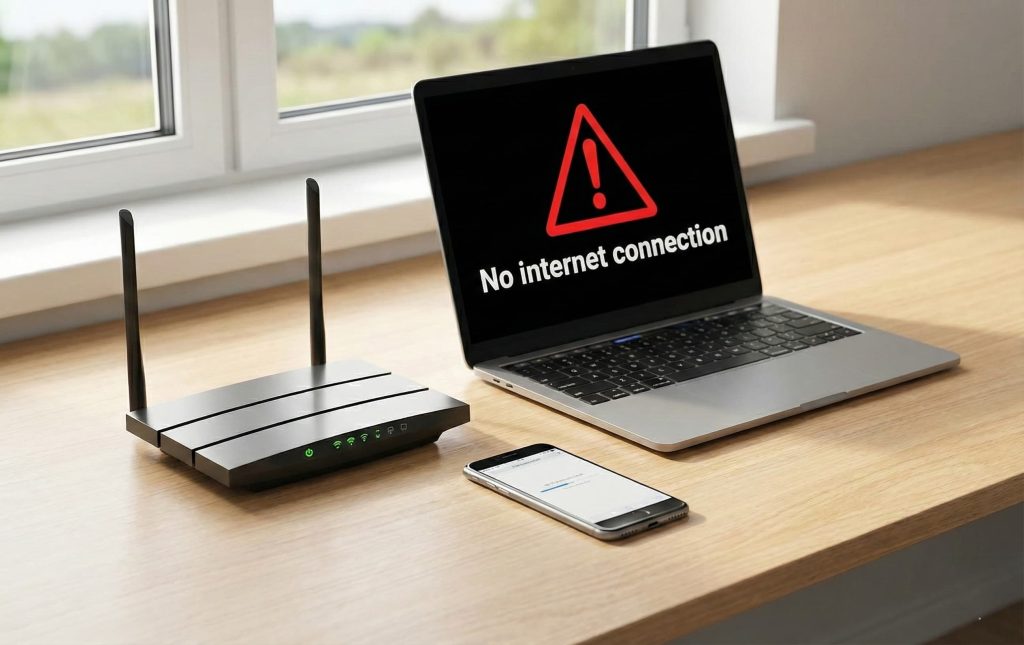
Interference From Other Devices
Bluetooth, cordless phones, and microwaves can disrupt Wifi.
Fix:
- Keep interfering devices away from the router and Macbook.
- Use 5GHz Wifi band to reduce interference.
In kitchens, microwaves are common sources of interference. Try moving your router away from the kitchen if possible.
Credit: fibervalleycpl.net
Advanced Troubleshooting Steps
If basic fixes don’t work, try these advanced options.
Resetting Network Preferences
Some persistent issues require a full network reset.
Steps:
- Go to System Settings > Network > Wifi.
- Click “Advanced”.
- Remove all networks.
- Restart your Macbook.
- Reconnect to your preferred network.
This step removes old, conflicting settings and can solve unusual connection problems.
Deleting Configuration Files
Corrupted files can block Wifi.
Steps:
- Open Finder.
- Go to /Library/Preferences/SystemConfiguration/.
- Delete files named:
- `com.apple.airport.preferences.plist`
- `com.apple.network.identification.plist`
- `com.apple.wifi.message-tracer.plist`
- Restart your Macbook.
These files store network settings. Deleting them forces your Macbook to create new, fresh files.
Resetting Smc And Nvram
These are special chips controlling hardware settings.
Steps:
- For SMC:
- Shut down your Macbook.
- Hold Shift + Control + Option and the power button for 10 seconds.
- Release and turn on your Macbook.
- For NVRAM:
- Restart your Macbook.
- Hold Command + Option + P + R for 20 seconds.
Resetting these chips can fix hardware-related Wifi issues that software resets don’t solve.
Using Safe Mode
Safe Mode loads only essential software.
Steps:
- Restart your Macbook.
- Hold Shift during startup.
- Test Wifi in Safe Mode.
- If it works, the issue is likely caused by third-party apps.
Safe Mode helps find conflicts caused by apps you installed. If Wifi works in Safe Mode, review your apps and remove anything unnecessary.
Practical Tips For Stable Wifi On Macbook
- Keep your macOS updated for security and performance.
- Place your router in a central, high spot.
- Change your Wifi password regularly to prevent unauthorised access.
- Use a strong, unique password for your network.
- Turn off Bluetooth if you notice interference.
- Limit the number of devices connected to your router.
- Check your router’s admin page for advanced settings like QoS (Quality of Service).
- Restart your router every few weeks to clear minor glitches.
- Avoid using Wifi for large file transfers during important calls or meetings.
Non-obvious Insights
- Hidden networks can cause confusion. If your Macbook lists multiple networks with similar names, you might accidentally connect to the wrong one. Double-check before entering passwords. Some public places have hidden networks that appear only for certain devices, so always check which network you’re connecting to.
- Time Machine backups sometimes affect Wifi. Large backups over Wifi can slow your entire network. Use a wired connection for backups if possible. If you notice slow speeds during backup, pause the process or connect your Macbook with an Ethernet adapter.
Another tip: Some Macbooks automatically switch between networks if multiple are available. Disable this feature if you want to stay connected to a specific network.
When To Seek Professional Help
If you’ve tried all fixes and your Macbook still won’t connect, it might be time to get expert assistance. Here are signs you need help:
- No Wifi option appears in settings
- Macbook overheats while trying to connect
- Multiple network failures across different Wifi networks
- Other devices work fine, but your Macbook consistently fails
- Wifi card or antenna replacement needed
Visit an authorised Apple service centre for diagnostics and repair. In rare cases, a full logic board replacement may be needed.
If your Macbook is old, compare the repair cost to the price of a new device. Sometimes, upgrading is more practical.
Internal Linking Suggestions
- Link to a guide on macOS system updates for more details about keeping your Macbook software current.
- Link to an article about Bluetooth interference solutions to expand troubleshooting for related wireless issues.
- Link to a post on optimising router placement for improved home Wifi performance.
Suggested Low-competition Keywords
- Macbook Air Wifi not working
- Macbook Pro Wifi keeps disconnecting
- Fix slow Wifi on Macbook
- Macbook Wifi troubleshooting steps
- Wifi not showing up on Macbook
Frequently Asked Questions
Why Does My Macbook Keep Disconnecting From Wifi?
Frequent disconnects are usually caused by network interference, outdated router firmware, or software bugs in macOS. Check for nearby wireless devices, update your router, and ensure your Macbook is running the latest version of macOS. If the issue persists, try removing and re-adding the Wifi network.
How Can I Fix Slow Wifi On My Macbook?
First, test your connection speed with other devices. If only your Macbook is slow, change DNS settings to Google or Cloudflare, restart your router, and ensure your Macbook is close to the router. Avoid large file transfers or backups over Wifi, as these can slow down the network.
What Should I Do If My Macbook Wifi Won’t Connect At All?
Restart your Macbook and router. If that doesn’t help, forget the network and reconnect. Run Wireless Diagnostics and reset network settings if needed. Check for security software conflicts and temporarily disable VPNs or firewalls. If Wifi still won’t connect, seek professional help.
Are There Any Recommended Routers For Macbook Users?
Yes, routers supporting Wifi 6 (like TP-Link Archer AX50) offer excellent compatibility and speed for modern Macbooks. Older models (such as Apple Airport Extreme) work well with Macbook Air and Pro from previous years. Always check compatibility before upgrading your router.
Can Environmental Factors Affect Macbook Wifi Performance?
Absolutely. Thick walls, metal objects, and distance from the router can weaken signals. Electronic devices like microwaves and Bluetooth speakers may interfere. Place your router centrally, use Wifi extenders for large homes, and keep interfering devices away from your Macbook for best results.
Regaining reliable Wifi on your Macbook doesn’t require advanced technical knowledge. By understanding common causes and following practical fixes, you can solve most connectivity problems yourself. If software and hardware solutions don’t work, professional diagnosis is the safest route. A stable Wifi connection is essential for productivity, learning, and entertainment—so don’t let persistent issues slow you down. For more in-depth information, see Apple’s official support resources at Apple Support.

Credit: support.apple.com

 MacBook Gear