

Few things feel as reliable as a MacBook when it’s new. Smooth scrolling, quick loading, and a battery that lasts all day make life easier. But after a few years, you might notice small changes—apps load slower, the fan runs louder, and the battery seems to die faster. If you’re wondering whether your MacBook is just having a bad day or truly getting old, you’re not alone. Many users struggle to recognize the signs and decide what steps to take next.
This article will help you identify clear signs your MacBook is aging and guide you on practical actions you can take. You’ll learn how to spot performance drops, understand when repairs make sense, and see whether upgrading or replacing your device is the best option.
With real examples, data, and expert advice, you’ll be able to make confident decisions for your MacBook’s future.
Signs Your Macbook Is Getting Old
Every computer slows down with age, but a MacBook shows some unique signs. Here’s what to watch for:
Slow Boot Times
If your MacBook takes more than 30 seconds to start, it’s a clear sign of aging. When new, most MacBooks boot in 10–15 seconds. Over time, as the SSD or HDD gets older and the system loads more files, startup can drag out. This delay often points to hardware wear or software bloat.
Frequent Spinning Beach Ball
The spinning beach ball (colorful loading cursor) appears when your MacBook is struggling. If you see it often, especially during simple tasks like opening files or browsing, your device’s memory or processor may be overloaded. This is common in MacBooks older than 5 years.
Battery Drains Quickly
A healthy MacBook battery should last 8–10 hours for web browsing and basic tasks. If you’re getting only 2–3 hours after a full charge, the battery is likely worn out. Apple recommends replacing batteries that hold less than 80% of original capacity.
Fan Runs Loud Or Constantly
Modern MacBooks are usually quiet. But if your fan is running loud or almost nonstop, it could mean the CPU is working too hard or the cooling system is less effective. This often happens when dust builds up or the thermal paste dries out.
Software Compatibility Issues
Older MacBooks may not support the latest macOS updates. If you can’t upgrade past a certain OS version, you’ll miss new features and security patches. For example, many pre-2015 MacBooks don’t support macOS Ventura.
Physical Wear And Tear
Look for cracked screens, loose hinges, worn keyboard keys, or faded trackpads. These cosmetic issues signal heavy use and aging, and sometimes affect performance.
Storage Fills Up Fast
If your MacBook’s storage is always full, it may be due to smaller drives that were common in older models. Newer MacBooks offer 256GB or more, while older ones often have only 128GB or 64GB.
Wi-fi And Bluetooth Issues
Slower connections, frequent drops, or trouble connecting to modern routers can mean your MacBook’s wireless chips are outdated.
Ports And Accessories Don’t Work Well
If USB, Thunderbolt, or MagSafe ports are unreliable, it’s often a sign of hardware age. You may also find newer accessories aren’t compatible.
Overheating
MacBooks should not get hot enough to cause discomfort. If your device is frequently warm or shuts down due to heat, the cooling system may be failing.
Display Problems
Dimming screens, flickering, or color fading often appear after years of use. Older Retina displays may develop ghosting or stuck pixels.
Performance Drops During Multitasking
If your MacBook slows down or freezes when running several apps at once, the RAM and processor may be struggling. This is more noticeable with newer, demanding software.
Unusual Noises
Clicks, whirs, or buzzing sounds can signal hard drive failure or fan problems. SSD MacBooks are quieter, so any mechanical noise is a warning.
System Crashes Or Kernel Panics
Frequent crashes, restarts, or error messages (“kernel panic”) are classic signs of hardware or software aging.
Aging Trackpad And Keyboard
Sticky keys, unresponsive trackpads, or double-clicking issues point to physical wear and may require replacement.
How To Check Your Macbook’s Health
Before deciding what to do, it’s smart to check your MacBook’s health using built-in tools and third-party apps.
Check Battery Health
Hold the Option key and click the battery icon in the menu bar. Look for “Normal,” “Replace Soon,” or “Replace Now.” For more details, go to System Settings > Battery > Battery Health.
Run Apple Diagnostics
Shut down your MacBook. Hold the D key when turning it on to start Apple Diagnostics. Follow the instructions to see if hardware issues are found.
Use Activity Monitor
Open Activity Monitor (in Applications > Utilities) to check CPU, memory, and disk usage. High percentages can indicate overworked hardware.
Storage Analysis
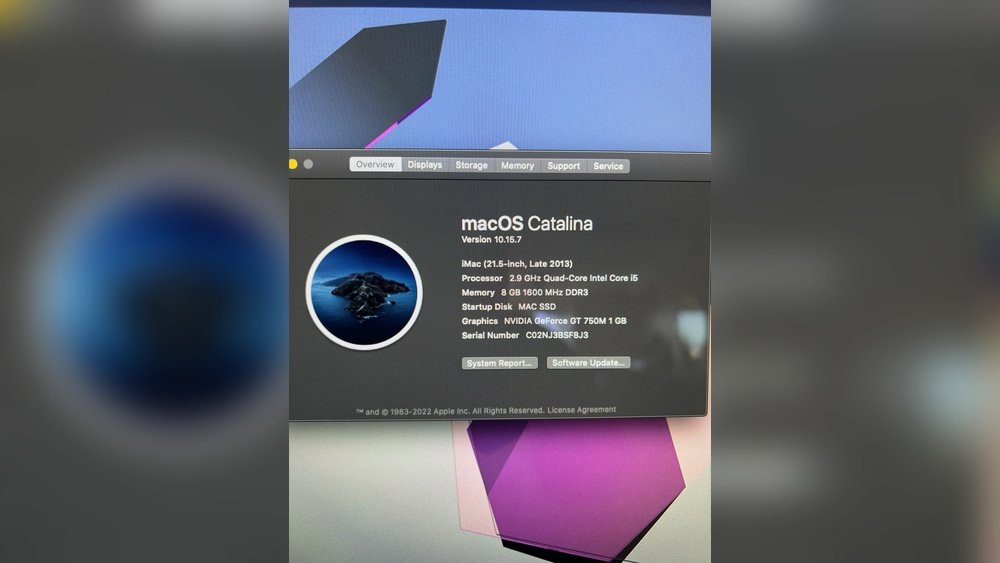
Go to Apple Menu > About This Mac > Storage. See how much space is available and which files use the most. If your drive is nearly full, performance will suffer.
Third-party Apps
Apps like iStat Menus or CleanMyMac give more detailed info on temperature, fan speed, battery cycles, and more.

Credit: support.apple.com
Comparing Macbook Models: Old Vs New
To understand how much your MacBook has aged, compare it to newer models. Here’s a side-by-side look at common specs:
| Feature | 2015 MacBook Air | 2023 MacBook Air (M2) |
|---|---|---|
| Processor | Intel Core i5 | Apple M2 |
| RAM | 4GB–8GB | 8GB–24GB |
| Storage | 128GB–512GB SSD | 256GB–2TB SSD |
| Battery Life | Up to 12 hours | Up to 18 hours |
| Display | 1440×900 | 2560×1664 Retina |
| Ports | USB-A, MagSafe | USB-C, MagSafe 3 |
| Weight | 2.96 lbs | 2.7 lbs |
Insight: Newer MacBooks have much faster processors, more RAM, better displays, and longer battery life. If you’re using a model older than 2017, you’ll notice big improvements if you upgrade.
What You Can Do Next
Once you’ve spotted signs of aging, you have several options. The right choice depends on your budget, needs, and how you use your MacBook.
1. Try Software Optimization
Sometimes, a few software changes can breathe new life into an old MacBook.
- Clean up storage: Delete old files, empty the trash, and remove unused apps.
- Update macOS: Install the latest compatible version. It can fix bugs and improve performance.
- Disable startup programs: Go to System Settings > Users & Groups > Login Items and remove unnecessary apps.
- Clear cache and temporary files: Use tools like CleanMyMac or do it manually.
- Reduce visual effects: Turn off animations and transparency in System Settings > Accessibility.
Non-obvious tip: Many users forget to check for hidden files in the Downloads folder. Clearing these can free up gigabytes.
2. Replace The Battery
If battery life is your main issue, replacing it can help. Apple charges $129–$199 for battery replacement, depending on the model. Authorized repair shops may offer lower prices.
Data: MacBook batteries usually last 500–1,000 charge cycles. After that, capacity drops sharply.
3. Upgrade Ram Or Storage (older Models Only)
If you have a pre-2016 MacBook, you may be able to upgrade RAM or SSD. Newer MacBooks (with M1/M2 chips) have soldered parts, so upgrades aren’t possible.
Example: Upgrading from 4GB to 8GB RAM can speed up multitasking. Replacing a 128GB SSD with 512GB can solve storage issues.
Mistake to avoid: Don’t buy expensive parts without checking compatibility. Some models cannot be upgraded.
4. Clean The Cooling System
Dust and debris can block airflow, causing overheating. If you’re comfortable, open the back panel and use compressed air to clean the fans. If not, ask a professional.
Insight: Many users ignore cooling maintenance. Cleaning the fans every 1–2 years prevents overheating and extends lifespan.
5. Repair Or Replace Parts
For physical damage (cracked screens, broken keys, faulty trackpads), repair may be worthwhile if your MacBook is less than 5 years old. For older devices, repairs may cost more than replacement.
Data: Screen replacement can cost $300–$700. Keyboard repairs average $150–$250.
6. Upgrade To A New Macbook
If your MacBook can’t run the latest software, has multiple hardware issues, or is more than 7–8 years old, it’s time to consider a new device.
Benefits:
- Faster performance
- Better battery life
- Improved display
- More storage
- Latest software and security
Non-obvious tip: Apple offers a trade-in program. You can get credit for your old device, even if it’s not working perfectly.
7. Sell Or Recycle Your Old Macbook
If you’re upgrading, selling your old MacBook can offset costs. Even older or broken MacBooks have value for parts.
- Sell online: EBay, Craigslist, Facebook Marketplace
- Apple trade-in: Official Apple stores
- Recycle: Local recycling centers or Apple’s recycling program
Mistake to avoid: Don’t throw away old electronics. Proper recycling prevents environmental harm.
8. Switch To A Different Device
If you no longer need a MacBook for your tasks, consider alternatives like an iPad, Windows laptop, or Chromebook. These may suit light users or those with specific needs.
Comparing Repair Vs Upgrade Costs
To help you decide, here’s a typical cost comparison:
| Repair/Upgrade | Estimated Cost | Worth It? |
|---|---|---|
| Battery Replacement | $129–$199 | Yes, if device < 5 years old |
| Screen Replacement | $300–$700 | Only if device < 5 years old |
| RAM/SSD Upgrade | $80–$350 | Yes, if possible |
| Buy New MacBook | $999–$2,499 | Best for devices > 6 years old |
Insight: Repairs are cost-effective for newer devices. For older MacBooks, upgrading makes more sense.
How To Back Up And Prepare For Transition
If you decide to upgrade, backing up your data is essential.
Use Time Machine
Connect an external drive and use Time Machine (built-in macOS feature) to back up all your files. This makes moving to a new MacBook easy.
Cloud Storage
Use iCloud, Google Drive, or Dropbox to store important documents and photos. Cloud backup is fast and secure.
Transfer Files
Apple’s Migration Assistant lets you move files from your old MacBook to your new one. This saves time and keeps your settings.
Mistake to avoid: Don’t forget to log out of your Apple ID, erase personal data, and reset your MacBook before selling or recycling.

Credit: www.wired.com
When Should You Upgrade Your Macbook?
There’s no perfect age for upgrading, but here are practical guidelines:
- Performance drops: If everyday tasks are slow or crash often.
- Battery life: If it lasts less than 2–3 hours.
- Software updates: If you can’t install the latest macOS.
- Repair costs: If repairs cost more than half the price of a new MacBook.
- Physical wear: If the screen, keyboard, or trackpad are badly damaged.
Stat: Most users upgrade their MacBook every 5–7 years. Business users often upgrade every 3–4 years.
How To Choose A New Macbook
If you decide to buy a new device, consider these factors:
- Processor: Apple’s M1 or M2 chips are much faster than Intel.
- RAM: Choose at least 8GB for general use, 16GB or more for heavy tasks.
- Storage: Go for 256GB minimum. If you store lots of files, choose 512GB or more.
- Display: Retina screens are brighter and clearer.
- Battery life: Look for 15+ hours if you travel often.
- Ports: New models use USB-C. Make sure your accessories are compatible.
Here’s a quick comparison of current MacBook options:
| Model | Best For | Starting Price |
|---|---|---|
| MacBook Air (M2) | Students, general use | $1,099 |
| MacBook Pro (M2) | Professional, creative work | $1,299 |
| MacBook Pro (M3) | Heavy-duty, advanced users | $1,599 |
Non-obvious tip: If you don’t need high performance, last year’s model is often much cheaper and still very powerful.

Credit: support.apple.com
Common Mistakes When Dealing With An Old Macbook
Many users make these mistakes:
- Ignoring backups: Failing to back up data before repairs or upgrades.
- Overpaying for repairs: Spending too much on old devices where upgrades are better.
- Buying incompatible parts: Not checking if RAM or SSD upgrades are possible.
- Skipping maintenance: Not cleaning fans or running diagnostics, which shortens lifespan.
- Delaying upgrades: Waiting too long, risking data loss or hardware failure.
Insight: Acting early can save money and prevent headaches. If you notice signs of aging, start planning your next steps.
Frequently Asked Questions
What Is The Average Lifespan Of A Macbook?
Most MacBooks last 5–7 years with normal use. Business or heavy users may need to upgrade every 3–4 years. With careful maintenance, some devices can last up to 10 years, but performance and software support will drop.
Can I Upgrade The Ram Or Ssd In My Macbook?
Only MacBooks made before 2016 allow RAM or SSD upgrades. Newer models (with M1/M2 chips) have soldered parts, so upgrades are not possible. Always check your model’s specs before buying upgrade parts.
Is Battery Replacement Worth It For An Old Macbook?
Battery replacement is worth it if your MacBook is less than 5 years old and works well otherwise. For older devices or those with other issues, replacing the battery may not be cost-effective.
What Should I Do Before Selling Or Recycling My Macbook?
Back up your data, sign out of your Apple ID, erase all content and settings, and reset the device. This protects your privacy and prepares the device for the next owner.
How Can I Check If My Macbook Is Compatible With The Latest Macos?
Go to Apple Menu > About This Mac and check your model. Visit Apple’s official website to see which MacBooks support the latest macOS. If your device is not listed, it cannot run the newest software. You can check compatibility at Apple’s official macOS compatibility page.
Your MacBook is more than just a tool—it’s a part of your daily life. Recognizing when it’s getting old and knowing what to do next helps you stay productive and avoid costly mistakes. Whether you optimize, repair, or upgrade, making the right move ensures you get the most from your device.
 MacBook Gear