

Organizing your digital workspace on a MacBook can transform the way you work, boost your productivity, and reduce stress. Many people spend hours each week searching for files, dealing with cluttered desktops, and switching between apps. A well-structured workspace makes everything easier to find, lets you focus on what matters, and saves time.
Whether you use your MacBook for work, study, or creative projects, learning how to organize your digital environment brings lasting benefits. In this article, you’ll discover practical steps, expert tips, and smart tools to help you build a clean, efficient digital workspace that fits your needs.
Understanding The Digital Workspace
A digital workspace is the environment on your MacBook where you manage files, apps, and tasks. It includes your desktop, Finder, Dock, and open windows. The workspace also covers settings, shortcuts, and the way you organize your digital life. When things are messy, you waste time and feel distracted. A tidy workspace helps you work faster and makes your MacBook feel fresh.
Why Organization Matters
Studies show that disorganized workspaces can reduce productivity by up to 40%. Cluttered desktops and confusing file structures make it harder to focus and find what you need. Organizing your MacBook helps you:
- Locate files quickly
- Work with less stress
- Avoid mistakes and confusion
- Feel more in control
Even small changes can bring big results. For example, clearing your desktop can make your MacBook run faster and help you concentrate.
Preparing To Organize
Before you start, it’s important to plan your approach. Spend a few minutes thinking about how you use your MacBook. What are your main tasks? Which apps and files do you use most? Write down your goals. For example:
- “I want to find files in 10 seconds or less.”
- “I want a clean desktop with only one folder.”
- “I want to group my work and personal apps separately.”
Set clear goals so you know what to focus on.
Back Up Your Data
Before making big changes, always back up your data. Use Time Machine or another backup tool. This protects you if something goes wrong or you delete a file by mistake.
Organizing Your Desktop
The desktop is the first thing you see. Many users pile files and folders here, which creates clutter and slows down your MacBook. Instead, keep it simple.
Steps To Clean Up
- Delete old files you don’t need.
- Move files to folders in Finder.
- Create one main folder on your desktop for temporary files.
- Keep only essential shortcuts.
Desktop Folder Structure Example
Set up a basic folder structure like this:
- Work
- Personal
- Projects
- Temporary
You can add more folders if needed, but avoid too many. The goal is to keep the desktop clear.
Using Stacks
MacOS has a feature called Stacks. It groups files by type (images, PDFs, documents). To enable Stacks, right-click your desktop and choose “Use Stacks.” This tidies your desktop quickly.
Managing Files With Finder
Finder is your main tool for organizing files on a MacBook. Learning to use Finder well makes everything easier.
Creating A Logical Folder Structure
Think of your folders as a filing cabinet. Group similar files together. For example:
- Documents
- Work
- School
- Personal
- Pictures
- Family
- Travel
- Projects
Avoid keeping files loose. Every file should fit in a folder.
Naming Files And Folders
Use clear, simple names. For files, include dates or keywords. For example:
- Invoice_2024_06.pdf
- ProjectProposal_Marketing.docx
This makes files easy to search.
Tags And Labels
MacOS lets you tag files with colors and labels. Right-click any file and choose a color tag. Use tags to mark priority files or group by project.
Smart Search And Filters
Finder’s search bar can find files by name, date, or type. Use filters to narrow results. For example, search for “PDF” and filter by date.
| Feature | How It Helps | Tips |
|---|---|---|
| Tags | Quickly find important files | Color-code by project or priority |
| Smart Folders | Auto-group files by criteria | Set up for documents, images, etc. |
| Search Filters | Find files faster | Search by date, type, or tag |
Avoiding Common Mistakes
Many users forget to update their folder structure as projects change. Review your folders monthly. Delete or archive files you no longer need. Don’t use vague folder names like “Misc” or “Stuff. ”

Credit: www.apple.com
Streamlining The Dock And Launchpad
The Dock is where you keep your most-used apps. If you add too many, it gets messy. Keep only key apps here.
Optimizing The Dock
- Remove apps you rarely use. Right-click and choose “Remove from Dock.”
- Arrange apps by task—work, creative, communication.
- Add folders for quick access.
Launchpad shows all your apps. Group them into folders for easy access.
Example Dock Setup
- Finder
- Safari
- Calendar
- Notes
- Key work apps (Word, Excel, Slack)
- Trash
Anything else can be launched from Launchpad or Spotlight.
Organizing App Windows And Spaces
MacOS offers features like Mission Control and Spaces to manage open windows. Many users don’t use these features, but they save time and reduce clutter.
Using Mission Control
Mission Control shows all your open windows. Swipe up with three fingers or press F3. You can see everything at once and switch easily.
Creating Spaces
Spaces let you have separate desktops for different tasks. For example, one Space for work, one for personal tasks. To create a Space, open Mission Control and click the “+” sign at the top. Move windows to different Spaces.
Window Management Tips
- Group related app windows together.
- Use Split View to work with two apps side by side.
- Close windows you’re not using.
This keeps your workspace clean and focused.
Managing Notifications And Focus
Notifications can be helpful, but too many are distracting. MacOS lets you control notifications.
Setting Notification Preferences
Go to System Settings > Notifications. Choose which apps can send alerts. Turn off notifications for apps you don’t need.
Using Focus Mode
MacOS has Focus Mode. It blocks distractions while you work or study. Set up Focus Mode for different times—work, sleep, meetings.
Practical Example
If you’re writing a report, turn on Focus Mode for two hours. Only key apps (Mail, Calendar) will send alerts. This helps you concentrate.
Using Shortcuts And Automation
MacOS offers Shortcuts for automating tasks. This saves time and reduces effort.
Creating Simple Shortcuts
- Open multiple apps with one click.
- Rename files in batches.
- Move files to folders automatically.
The Shortcuts app has templates you can customize.
Automator
Automator is another tool for more complex tasks. For example, you can create a workflow to resize images or convert files.
Example: Batch Rename
Suppose you have 100 files to rename. Use Automator to set a naming pattern—“Photo_2024_01. jpg”—and apply it to all files.
| Automation Tool | Best For | User Level |
|---|---|---|
| Shortcuts | Simple, quick tasks | Beginner |
| Automator | Complex workflows | Intermediate/Advanced |
| AppleScript | Custom scripts | Advanced |
Cloud Storage And Sync
Cloud storage helps you access files from any device. MacOS works well with iCloud Drive, but you can use other services like Google Drive or Dropbox.
Setting Up Icloud
Go to System Settings > Apple ID > iCloud. Turn on iCloud Drive. Choose which folders to sync.
Benefits Of Cloud Storage
- Access files anywhere
- Automatic backup
- Share files easily
Sync Across Devices
If you have an iPhone or iPad, syncing keeps everything up to date. Changes on your MacBook appear on other devices.
Tips For Cloud Organization
- Use the same folder structure as on your MacBook.
- Keep files organized—don’t use cloud storage as a dumping ground.
- Review storage monthly to avoid running out of space.
Email And Digital Communication
Email can be a source of clutter. Organizing your inbox and communication apps helps you stay on top of tasks.
Managing Your Inbox
- Create folders for work, personal, projects.
- Archive old messages.
- Unsubscribe from newsletters you don’t read.
- Set rules to sort messages automatically.
Using Mail App Features
The MacOS Mail app lets you flag important emails, search by sender or subject, and set up VIP contacts.
Other Communication Apps
Apps like Slack, Teams, or Messages can also get messy. Set up channels or groups by project. Mute channels you don’t need.
Digital Notes And Task Management
Notes and tasks are essential for productivity. MacOS includes Notes and Reminders apps.
Organizing Notes
- Create folders for work, personal, projects.
- Use tags to group similar notes.
- Pin key notes for quick access.
Managing Tasks With Reminders
- Make lists for daily, weekly, monthly tasks.
- Set deadlines and alerts.
- Mark tasks as done to track progress.
Third-party Apps
Apps like Evernote, Todoist, or Notion offer extra features. Choose one that fits your style.
Example Note Organization
- Work
- Meeting notes
- Project ideas
- Personal
- Shopping lists
- Fitness goals
Keeping Your Macbook Secure And Healthy
A well-organized workspace also means good security and maintenance. Protect your data and keep your MacBook running smoothly.
Security Tips
- Use strong passwords.
- Enable two-factor authentication.
- Keep your MacBook updated.
Maintenance Tips
- Clean up files monthly.
- Delete unused apps.
- Check storage space.
Monitoring Performance
Use Activity Monitor to check which apps use the most resources. Close apps you don’t need.
Personalizing Your Workspace
Everyone works differently. Personalize your MacBook to fit your style.
Customizing Appearance
- Change your wallpaper.
- Use dark mode or light mode.
- Adjust icon sizes.
Accessibility Features
MacOS offers features like VoiceOver, Zoom, and display settings. Set up what helps you work best.
Example Personalization
If you like a clean look, use a simple wallpaper and small icons. If you prefer color, use tags and colorful folders.
Advanced Organization Tools
Beyond built-in features, third-party apps can help you organize even better.
Popular Organization Apps
- Alfred – advanced search and shortcuts
- Hazel – automatic file organization
- Magnet – window management
- Bartender – organize menu bar items
Each app solves a different problem. Try a few and see what works for you.
Comparing Built-in Vs. Third-party Tools
| Feature | Built-In | Third-Party |
|---|---|---|
| File Organization | Finder, Tags, Stacks | Hazel, Alfred |
| Window Management | Mission Control, Spaces | Magnet |
| Menu Bar Management | Limited | Bartender |
Non-obvious Insights
- Many users overlook Smart Folders in Finder. These auto-group files by criteria, saving time.
- Using Alfred or Spotlight for search is much faster than browsing folders. Try keyboard shortcuts to speed up your workflow.
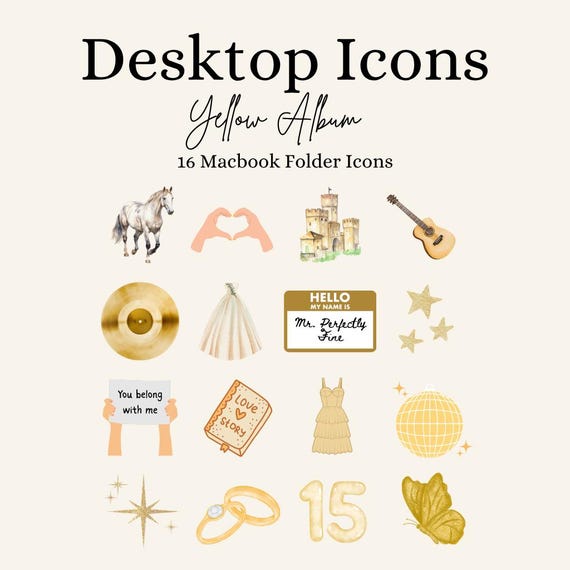
Credit: www.etsy.com
Digital Declutter Routine
Staying organized is not a one-time task. Build a routine to keep your workspace tidy.
Weekly Tasks
- Clear your desktop
- Review downloads folder
- Delete temporary files
Monthly Tasks
- Review folder structure
- Archive old projects
- Update shortcuts and automation
Yearly Tasks
- Backup all data
- Clean up unused apps
- Review security settings
Common Mistakes And How To Avoid Them
Even with good intentions, many users fall into traps.
Mistake 1: Ignoring Folder Structure
If you let files pile up, you’ll spend more time searching. Review and update your folders often.
Mistake 2: Using The Desktop As Storage
The desktop should be clear. Use folders in Finder for storage.
Mistake 3: Not Using Shortcuts
Shortcuts and automation can save hours each month. Learn basic shortcuts and use them daily.
Mistake 4: Forgetting To Back Up
Always back up your files. Losing important data can be costly.
Mistake 5: Letting Notifications Distract You
Too many alerts break your focus. Set up notification settings and use Focus Mode.
Building Efficient Habits
Organization is a habit, not just a task. Build routines that keep your workspace tidy.
Tips For Efficient Habits
- Spend 5 minutes daily clearing clutter.
- Use keyboard shortcuts for common actions.
- Review your workspace weekly.
Practical Example
Set a reminder every Friday to clean your desktop and review your folders. This small habit keeps your MacBook organized.
Tracking Productivity And Progress
Once your workspace is organized, track your productivity. Use simple tools to measure progress.
Using Screen Time
MacOS Screen Time shows how much time you spend on apps. Review this data to see where you can improve.
Productivity Apps
Apps like RescueTime or Focus Keeper help you track tasks and stay on target.
Data Example
After organizing, you might spend 30% less time searching for files. This means more time for important tasks.

Credit: www.dreamstime.com
Frequently Asked Questions
How Often Should I Organize My Macbook Workspace?
It’s best to review your digital workspace weekly for small tasks and monthly for bigger changes. This keeps everything tidy and prevents clutter from building up.
What Is The Most Effective Way To Organize Files?
Group files by type and project. Use clear folder names and tags. Smart Folders and search filters help you find files quickly.
How Can I Reduce Distractions While Working?
Set up Focus Mode and manage notifications. Use Spaces to separate work and personal tasks. Mute or turn off alerts for non-essential apps.
Are Third-party Apps Worth It For Organization?
Yes, apps like Alfred and Hazel offer features not found in MacOS. Try them if you want more customization. Always check reviews and try free versions first.
What Should I Do If I Accidentally Delete Important Files?
First, check the Trash. If the file is gone, use Time Machine or cloud backups to restore it. Regular backups make recovery easier. For advanced help, you can read guides at Apple Support.
Organizing your digital workspace on a MacBook is a journey. Start with small steps, build good habits, and use the right tools. You’ll work faster, feel less stressed, and enjoy your MacBook every day.
 MacBook Gear