

When your MacBook overheats, it can feel worrying and even a little scary. The aluminium body gets hot, the fans get loud, and sometimes your Mac slows down or even shuts off without warning. Overheating not only affects comfort, but it can also shorten your device’s lifespan, damage internal parts, and lead to sudden shutdowns or data loss. Many MacBook users—especially those who rely on their laptops for work, studies, or creative projects—face this problem at least once. But why does it happen, and what can you do about it?
This article explains the real reasons your MacBook overheats, how to cool it down, and—most importantly—how you can stop it from happening again. Whether you use a MacBook Air or a MacBook Pro, run heavy apps, or just browse the web, you’ll get practical steps for every situation. You’ll also find useful comparison tables, answers to common questions, and expert tips that most guides miss. By the end, you’ll have a clear plan to keep your MacBook running cool, safe, and smooth—all year round.
Understanding Macbook Overheating
What Is Overheating?
Overheating happens when your MacBook’s internal temperature rises above its safe operating range—usually above 90°C (194°F) for the CPU. When this happens, the system may throttle performance, increase fan speed, or even shut down to protect itself.
Why Is Overheating A Problem?
High heat can lead to:
Reduced performance: The processor slows down to avoid further heat buildup.
Component damage: Excessive heat can weaken or destroy parts over time.
Shorter battery life: Heat stresses the battery, reducing its lifespan.
Unexpected shutdowns: The MacBook turns off to prevent permanent harm.
How To Tell If Your Macbook Is Overheating
Here are some signs to watch for:
The fan is always loud, even when you’re not doing much.
The bottom or keyboard feels very hot to the touch.
Apps run slowly or freeze.
The battery drains unusually fast.
The system shuts down or restarts unexpectedly.
Main Causes Of Macbook Overheating
Many people believe that overheating is only caused by hot weather or running heavy apps, but the reasons are often more varied and surprising. Let’s look at the true causes.
1. Intensive Apps And Processes
Heavy applications—like video editors (Final Cut Pro, Adobe Premiere), a virtual of MacBook or even dozens of browser tabs—can push the CPU and GPU to work harder. This creates extra heat that the cooling system may struggle to handle, especially in slim models like the MacBook Air.
2. Poor Ventilation
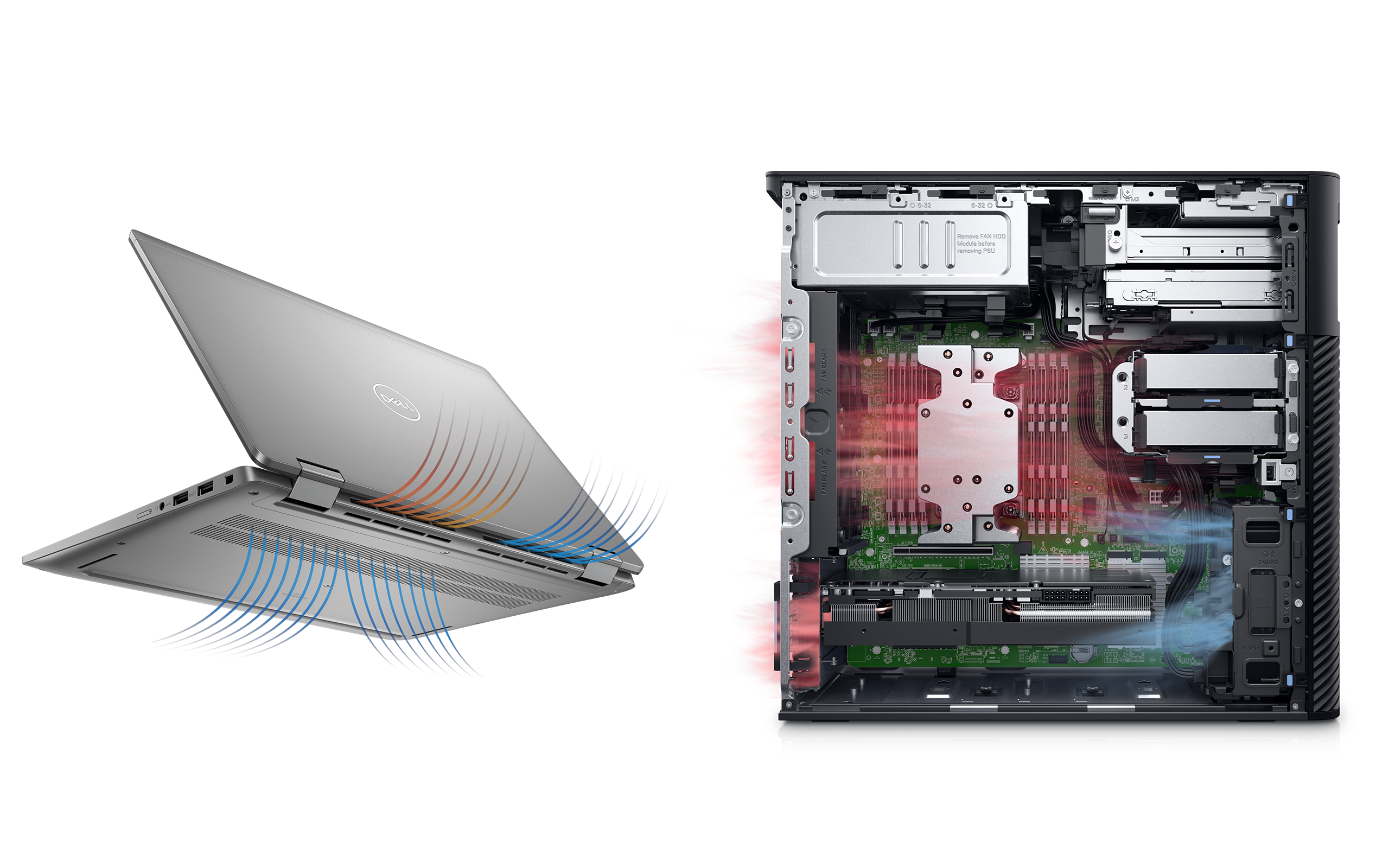
MacBooks pull cool air in through the keyboard and bottom vents, then push hot air out the back. If these vents are blocked by:
Soft surfaces (beds, sofas, pillows)
Dust or dirt buildup
Laptop sleeves or hard cases
…heat cannot escape, leading to rapid overheating.
3. Background Processes
Sometimes, hidden apps or system processes use a lot of CPU, even when you’re not aware of it. Common examples:
Spotlight indexing after a macOS update
iCloud sync or Photos analysis
Malware or adware is using system resources
4. Outdated Or Buggy Software
Older macOS versions or unoptimised third-party software can cause the CPU to work harder than needed. Sometimes, a single app update or system patch can fix a long-running heat problem.
5. Environmental Factors
High room temperature, direct sunlight, or humid environments make it harder for your MacBook to cool itself.
6. Hardware Issues
A failing battery, worn-out thermal paste, or even a dying fan can cause persistent heat problems. Older models are especially prone to these issues.
7. Charging While Using Heavy Apps
Using resource-heavy apps while charging puts double stress on the system, increasing heat output.
8. Poor Energy Management
Keeping the display on maximum brightness, Bluetooth, and location services active all the time adds unnecessary load.
Non-obvious Insight
Many users don’t realise that even Safari extensions or background browser tabs can spike CPU usage, leading to unexpected heat. Also, running external displays on a MacBook Air significantly increases internal temperature.
Credit: www.lappymaker.com
How To Diagnose Overheating On Your Macbook
Before you fix overheating, you need to identify the source. A structured approach saves time and prevents guesswork.
Check Temperature And Fan Speed
You can use free tools like iStat Menus or Mac Fan Control to monitor CPU/GPU temperature and fan speed in real time.
Normal idle temperature: 35–50°C
Light use: 50–70°C
Heavy use: 70–90°C
Danger zone: Above 95°C
Monitor Activity Monitor
Open Activity Monitor (Applications > Utilities):
Sort by % CPU to see which processes use the most power.
Check for unknown or stuck apps.
If a process is using more than 90% CPU for several minutes, that’s likely the main culprit.
Inspect For Physical Blockage
Check vents for dust or debris.
Remove any case or sticker that covers the bottom or back vents.
Place the MacBook on a flat, hard surface—never on a pillow or blanket.
Confirm macOS Version
Go to Apple Menu > About This Mac > Software Update. Outdated systems can cause unnecessary strain.
Battery Health Check
Click the battery icon > Battery Preferences > Battery Health. If your battery condition is “Service Recommended,” overheating may be related.
Fixes for MacBook Overheating
Now you know why your MacBook gets hot. Here’s how to cool it down—both quickly and for the long term.
Quick Fixes
Close Unneeded Apps: Quit heavy apps and browser tabs you’re not using.
Move to a Cooler Place: Avoid direct sunlight or hot rooms.
Remove Case/Cover: Take off any hard case or sticker covering the vents.
Elevate Your MacBook: Use a laptop stand or even a few books to let air flow beneath.
Software Solutions
Update macOS and apps
Install the latest system and app updates. Apple regularly improves thermal management in new updates.
Reset Smc (system Management Controller)
The SMC manages cooling, battery, and sensors. If fans run constantly, resetting it may help.
For non-removable battery models:
Shut down your MacBook.
Hold Shift + Control + Option + Power for 10 seconds.
Release and turn on.
Check For Malware
Run a trusted malware scanner, like Malwarebytes for Mac. Malware can cause background heat spikes.
Optimise Energy Settings
Lower screen brightness.
Turn off Bluetooth and Location when not needed.
Set “Put hard disks to sleep when possible” in System Preferences > Battery > Power Adapter.
Hardware Solutions
Clean Vents And Fans
Dust can block airflow. Use a can of compressed air to gently blow out vents—never use a vacuum.
Thermal Paste Replacement
If your MacBook is over 3 years old and overheats often, the thermal paste may have dried out. This is a job for a professional technician.
Replace Battery Or Fan
If battery health is poor or the fan makes noise, replace these parts at an authorised service centre.
Use A Cooling Pad
A good cooling pad can drop temperatures by 5–10°C, especially useful during heavy tasks.
Table: Quick Fixes Vs. Advanced Fixes
Here’s how the most common fixes compare in terms of difficulty and effectiveness.
Fix | Difficulty | Effectiveness | DIY or Professional |
|---|---|---|---|
Close Apps/Move to Cooler Place | Easy | Medium | DIY |
Update macOS/Apps | Easy | High | DIY |
Reset SMC | Medium | High | DIY |
Clean Vents | Medium | High | DIY |
Thermal Paste Replacement | Hard | Very High | Professional |
Replace Battery/Fan | Hard | Very High | Professional |
Non-obvious Fix
If you use an external monitor, closing your MacBook’s lid and running in Clamshell Mode can sometimes cause more heat, not less. This is because airflow around the hinge is reduced. If you notice overheating, try keeping the lid open even when using an external display.
Credit: www.dell.com
Prevention Strategies for MacBook Overheating
Prevention is always better than a cure. Here are proven strategies to avoid future heat issues.
1. Keep Your Macbook Clean
Dust is a silent enemy. Every few months, gently clean vents and keyboard areas with compressed air.
2. Use On Hard, Flat Surfaces
Avoid soft surfaces. A desk, table, or even a tray lets air flow freely.
3. Regular Software Updates
Updates often include improvements for energy and heat management. Set your MacBook to install updates automatically.
4. Optimise Your Workspace
Keep your room below 30°C (86°F) if possible.
Use blinds or curtains to block direct sunlight.
5. Manage Background Tasks
Check Activity Monitor regularly for unknown or high-CPU apps. Close or uninstall unnecessary software.
6. Use A Cooling Pad Or Stand
Especially for MacBook Pro 16-inch users running heavy apps, a cooling pad can make a big difference.
7. Check Battery Health
Replace the battery if your MacBook reports “Service Recommended. ” Old batteries can overheat during charging.
8. Limit Heavy Usage When Charging
If possible, avoid exporting videos or gaming while the MacBook is plugged in.
9. Reduce Animations And Visual Effects
Turn off unnecessary visual effects in System Preferences > Accessibility > Display to reduce GPU load.
10. Monitor Temperature Regularly
Install a simple temperature monitor. If you see sudden spikes, investigate before problems grow.
Table: Prevention Strategies Vs. Impact
Let’s compare which prevention methods have the strongest long-term benefits.
Prevention Strategy | Long-Term Impact | Effort Required |
|---|---|---|
Regular Cleaning | High | Low |
Hard, Flat Surface | Medium | Low |
Software Updates | High | Low |
Cooling Pad/Stand | Medium | Medium |
Limit Heavy Usage | High | Medium |
Special Considerations For Different Macbook Models
Not all MacBooks are built the same. The MacBook Air and MacBook Pro have different cooling systems.
Macbook Air
Uses passive cooling (no fan on recent models).
More likely to throttle performance when hot.
Regular cleaning and a cooling pad are especially helpful.
Macbook Pro
Usually has active cooling (fans).
Can handle heavier loads, but can still overheat with video editing, gaming, or external displays.
Intel Vs. Apple Silicon (m1/m2/m3) Models
Apple Silicon MacBooks (M1, M2, M3 chips) are much more efficient than Intel models. They usually run cooler and quieter, but can still get hot with extended heavy use.
Table: Macbook Air Vs. Pro Vs. Apple Silicon Heat Management
Model | Cooling System | Heat Tolerance | Common Overheating Causes |
|---|---|---|---|
MacBook Air (Intel) | Fan | Low | Heavy multitasking |
MacBook Air (M1/M2) | Passive (no fan) | Medium | Video editing, gaming |
MacBook Pro (Intel) | Fan | High | External monitors, high CPU apps |
MacBook Pro (M1/M2/M3) | Fan | Very High | Extreme workloads |
When To Seek Professional Help
Not every overheating issue can be solved at home. If you notice:
Fans are making grinding or rattling noises
Persistent high temperature even at idle
Battery swelling (trackpad bulges, case separation)
System shuts down during normal tasks
…contact Apple Support or a certified repair centre. Continuing to use an overheating MacBook in these cases can cause permanent damage.
Common Myths And Mistakes
Many MacBook users repeat advice that’s outdated or just plain wrong. Here are a few myths—and the reality.
Myth 1: Putting Your MacBook in the Fridge Will Cool It Down
This can cause condensation and damage internal parts. Never use extreme temperature changes.
Myth 2: Closing All Apps Will Instantly Fix Overheating
Some background processes keep running even after you close visible apps. Check Activity Monitor for hidden resource users.
Myth 3: Only Old Macbooks Overheat
Even new MacBooks can get hot if ventilation is blocked or you run resource-heavy tasks.
Myth 4: Cooling Pads Are Always Needed
A cooling pad helps, but proper cleaning and smart usage are often more effective for most users.
Non-obvious Mistake
Ignoring macOS notifications about “high system temperature” can lead to sudden shutdowns or hardware damage. Always investigate these warnings promptly.
Advanced Tips For Power Users
If you’re a developer, designer, or someone who pushes their MacBook hard, consider these advanced strategies.
Undervolting (Intel Only)
Lowering CPU voltage (undervolting) can reduce heat, but it’s risky and not supported on Apple Silicon chips. Only try this if you know what you’re doing.
Custom Fan Control
Apps like Mac Fan Control let you set custom fan curves. For example, you can set fans to start earlier at lower temperatures.
External GPU (eGPU)
If you do a lot of graphics work, using an eGPU can take the load off the internal GPU, reducing heat.
Thermal Monitoring Scripts
Automate temperature checks and log trends over time. This helps spot patterns before they become problems.
Summary: Best Practices For A Cool And Healthy Macbook
Keep vents clear and clean dust every few months.
Use your MacBook on a hard, flat surface.
Update macOS and apps regularly.
Monitor background tasks and close high-CPU apps.
Use a cooling pad if you often run heavy apps.
Replace failing batteries or fans promptly.
Check temperature with tools like iStat Menus.
Never ignore system warnings about heat.
By following these strategies, you’ll not only avoid uncomfortable heat but also extend your MacBook’s lifespan, maintain performance, and reduce the risk of sudden shutdowns or data loss.
Frequently Asked Questions
What Temperature Is Too High For A Macbook?
Anything consistently above 90–95°C is considered too high for a MacBook’s CPU. Occasional brief spikes are normal, but sustained high temperatures can cause damage or force shutdowns.
Can Overheating Permanently Damage My Macbook?
Yes, prolonged overheating can damage the battery, logic board, or SSD. It also shortens the overall lifespan of your device. If your MacBook feels hot often, take steps to fix the issue quickly.
Why Does My Macbook Overheat Only When Charging?
Charging generates extra heat, especially if you’re running heavy apps at the same time. The battery, CPU, and GPU all produce heat together, which can push temperatures over the safe limit.
Do Macbook Cooling Pads Really Work?
Cooling pads can lower temperatures by 5–10°C, especially in older or passively cooled models. They’re most effective if you run intensive tasks for long periods or use your MacBook in a warm room.
How Can I Check For Overheating Issues In macOS Ventura or Sonoma?
Use the built-in Activity Monitor to check CPU usage, and a third-party app like iStat Menus to monitor temperature and fan speed. Also, make sure your macOS is up to date—Ventura and Sonoma include better energy management tools.
Suggested Low-competition Keywords
Macbook overheating while charging
How to check macbook temperature
Macbook air hot but not charging
MacBook Pro fan is always on
Best cooling pad for macbook
Internal Linking Ideas
Link to a guide on how to improve MacBook battery life.
Link to an article about macOS performance tips for older Macs.
Link to a review of the top accessories for MacBook users.
For official Apple support and detailed technical information, visit the Apple Support Overheating Guide.
Taking proactive steps will keep your MacBook cool, efficient, and reliable for years—no matter how you use it.

 MacBook Gear