

Choosing the right Macbook as a student in 2026 is more than just picking the newest model. You want a device that fits your study habits, budget, and future needs. With Apple’s lineup evolving fast, and student demands becoming more complex, the question isn’t just “Which Macbook is best?
” — it’s “Which Macbook matches my study, my course, and my life? ” This guide breaks down the real-world scenarios students face, compares the most relevant Macbooks, and gives clear advice for making the smartest choice. Whether you’re focused on coding, design, note-taking, or balancing study with entertainment, you’ll find answers here.
The Current Macbook Lineup: What’s Available In 2026?
Apple’s 2026 Macbook range is more varied than ever. There are three main families: Macbook Air, Macbook Pro, and the less common Macbook SE (a rumoured entry-level device for budget buyers). Most students will focus on the Air and Pro models, which now use Apple’s advanced M3 and M3 Pro chips.
Here’s a quick overview of the most relevant Macbooks for students:
Macbook Air (M3, 13-inch & 15-inch)
Macbook Pro (M3, 14-inch & 16-inch)
Macbook SE (if released, 12-inch)
The Air is slimmer, lighter, and cheaper. The Pro is more powerful, with extra features for demanding tasks. The SE, if available, is aimed at basic needs with the lowest price.
Student Use Cases: What Do You Really Need?
Every student’s needs are different, so let’s break down the most common scenarios. This is where many buyers make mistakes — picking a Macbook based only on price or specs, without considering their real usage.
1. Note-taking, Essays, And Web Research
If your main tasks are writing, researching, and browsing, you don’t need the most powerful Macbook. Reliability, battery life, and portability are more important.
Recommended Model: Macbook Air M3 (13-inch)
Why: Light, all-day battery, fast enough for multitasking
2. Coding, Engineering, And Stem Courses
Students in computer science or engineering often run heavy programmes (compilers, virtual machines, IDEs). You want more memory, better performance, and a comfortable keyboard.
Recommended Model: Macbook Pro M3 (14-inch)
Why: More RAM options, faster chip, extra ports (HDMI, SD card)
3. Graphic Design, Video Editing, And Creative Arts
Creative students need a high-quality screen, strong GPU, and smooth performance for software like Adobe Creative Cloud or Final Cut Pro.
Recommended Model: Macbook Pro M3 (16-inch) or Air M3 (15-inch for lighter workloads)
Why: Larger display, improved graphics, more storage options
4. Medical, Law, And Business Students
These fields often require specialised software and multitasking but not always heavy graphics or coding. Mobility, battery, and compatibility are key.
Recommended Model: Macbook Air M3 (15-inch)
Why: Bigger screen for reading, excellent battery, lightweight
5. Budget-conscious Or Basic Needs
If you want a Macbook for simple tasks, and cost is the main concern, the rumoured Macbook SE (12-inch) may be your answer. If it’s not released, the Air M3 (13-inch) is still the best entry-level option.
Recommended Model: Macbook SE (if available), else Air M3 (13-inch)
Why: Lowest price, enough power for basic use
Comparing Macbook Air And Macbook Pro: Key Differences
Many students struggle to decide between Macbook Air and Macbook Pro. Let’s break down the differences that matter most to students.
Feature | Macbook Air (M3) | Macbook Pro (M3) |
|---|---|---|
Weight | 1.24–1.36 kg | 1.55–2.09 kg |
Battery Life | Up to 18 hours | Up to 17 hours |
Display | 13″ or 15″, Liquid Retina | 14″ or 16″, Liquid Retina XDR |
Ports | 2x Thunderbolt/USB 4 | 3x Thunderbolt/USB 4, HDMI, SD card |
RAM Options | 8–24 GB | 8–36 GB |
Starting Price (2026) | £999–£1,299 | £1,599–£2,299 |
Key Insight: The Air is better for carrying all day, while the Pro handles bigger tasks and offers more ports.
Macbook Air M3: The Student Favourite
The Macbook Air M3 is Apple’s most popular student laptop for good reason. It’s thin, light, and fast enough for nearly every undergraduate need. The battery lasts a full day, and the fanless design means silent use in libraries.
Notable Features:
M3 chip: Faster than previous M2, handles multitasking well
Liquid Retina display: Clear, bright screen for reading and video
MagSafe charging: Safe, easy power connection
Two sizes: Choose 13-inch for maximum portability, 15-inch for more screen space
Ideal For: Writing papers, online classes, web research, light photo editing, streaming
Common Mistake: Some students overspend on Pro models, thinking the Air is too “basic.” Unless you need high-end graphics or lots of ports, the Air is more than enough.
Macbook Pro M3: Power For Demanding Courses
For students running heavy programmes, or those who need a professional-grade screen, the Macbook Pro M3 is unmatched. The 14-inch version balances power and portability, while the 16-inch is for those who need the largest workspace.
Notable Features:
M3 Pro chip: Handles advanced tasks, large datasets, and creative software
Liquid Retina XDR display: Stunning colour, high brightness, perfect for design
Extra ports: HDMI and SD card slot for presentations or transferring files
Better cooling: Fans keep performance steady under load
Ideal For: Coding, design, video editing, engineering, architecture
Non-Obvious Insight: The 14-inch Pro is often a better choice than the 16-inch for students, as it’s easier to carry and still powerful.
The Rumoured Macbook Se: Entry-level For Students
Apple is expected to launch a Macbook SE in 2026, aimed at students and budget buyers. While not confirmed, leaks suggest a 12-inch screen, M2 or M3 chip, and a price below £799. It’s designed for basics: emails, essays, browsing.
Possible Features:
Small, light chassis: Perfect for travel
Lower price: Makes Apple laptops accessible to more students
Simplified design: Fewer ports, basic screen
Watch Out: If you need more power, the Air M3 is a safer bet. The SE may struggle with demanding apps.
Storage And Ram: How Much Do You Need?
Many students under- or overestimate their storage and RAM needs. Here’s what matters most:
RAM: For most students, 8 GB is enough. If you use creative or coding software, consider 16 GB or more.
Storage: Start at 256 GB if you use cloud storage (Google Drive, iCloud). If you want to store lots of video or project files, 512 GB or higher is safer.
Upgrading RAM and storage later is not possible with most Macbooks, so choose carefully now.
Real-world Example Scenarios
Let’s see how these Macbooks fit different student lives.
Sarah, Law Student:
Needs a laptop that lasts all day, has a big screen for reading, and is easy to carry between classes.
Choice: Macbook Air M3 (15-inch), 8 GB RAM, 256 GB storage
Ravi, Engineering Student:
Runs complex programmes, often needs to connect to projectors, and prefers a sturdy keyboard.
Choice: Macbook Pro M3 (14-inch), 16 GB RAM, 512 GB storage
Maya, Graphic Design Student:
Works with large files, needs accurate colour, and often edits video.
Choice: Macbook Pro M3 (16-inch), 32 GB RAM, 1 TB storage
Alex, Budget Student:
Does basic tasks, attends online classes, and wants the lowest price.
Choice: Macbook Air M3 (13-inch), 8 GB RAM, 256 GB storage
(or Macbook Se, If Available)
Credit: www.consumerreports.org
The Importance Of Battery Life
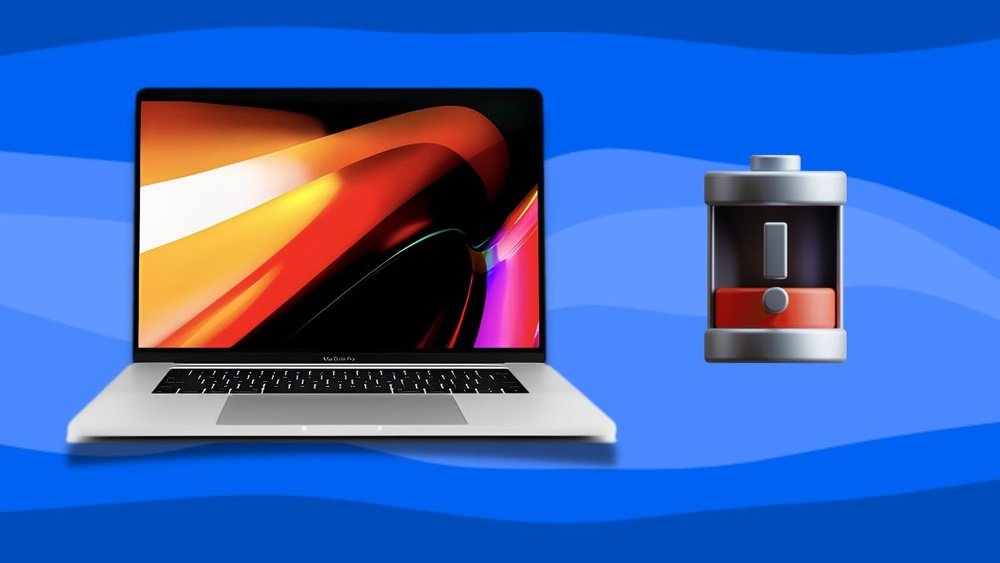
For students, battery life is critical. You may spend hours in lectures, libraries, or cafes without easy access to charging. Macbooks are known for long battery life, but real usage varies:
Macbook Air (M3): Up to 18 hours, often 12–14 hours with mixed use
Macbook Pro (M3): Up to 17 hours, often 10–12 hours with heavy apps
Tip: Lower screen brightness and close unused apps to extend battery. A portable MagSafe charger is handy for emergencies.
Portability: Weight, Size, And Durability
Students carry laptops everywhere. The lighter and smaller the Macbook, the easier your life. But don’t ignore durability — student bags are tough environments.
Model | Weight (kg) | Thickness (mm) | Build Quality |
|---|---|---|---|
Macbook Air 13″ | 1.24 | 11.3 | Aluminium, sturdy |
Macbook Air 15″ | 1.36 | 11.5 | Aluminium, sturdy |
Macbook Pro 14″ | 1.55 | 15.5 | Aluminium, reinforced |
Macbook Pro 16″ | 2.09 | 16.8 | Aluminium, reinforced |
Macbook SE 12″ (rumoured) | 1.10 | 10.5 | Plastic/aluminium |
Advice: For most students, the 13-inch Air is the best balance of portability and durability.
Credit: dynatechconsultancy.com
Display Quality: Why It Matters
A good screen helps with reading, editing, and reducing eye strain. Macbooks have some of the best displays:
Air: Liquid Retina, sharp and bright
Pro: Liquid Retina XDR, higher brightness and colour accuracy
If you do design or video, the Pro’s screen makes a difference. For writing or browsing, the Air is more than sufficient.
Keyboard, Trackpad, And Webcam
You’ll spend hours typing essays or coding. Apple’s keyboards are comfortable, but there’s a difference between models.
Air: Quiet, soft keys, large trackpad
Pro: Deeper key travel, better for long typing sessions
Webcam quality matters for online classes. Both Air and Pro offer 1080p webcams with good image clarity.
Connectivity: Ports And Wireless Options
Students often need to connect to projectors, external drives, or accessories. Macbook Air models are limited to two USB-C ports; the Pro adds HDMI and SD card, which is useful for presentations and transferring photos.
Tip: Get a USB-C hub if you choose the Air, as it adds more ports.
Wireless connectivity is strong across all models, with Wi-Fi 6E and Bluetooth 5.3. This means fast connections in crowded university settings.
Software Compatibility And Macos Features
All Macbooks run the latest macOS Sonoma (2026), which is stable and feature-rich. Students benefit from:
Universal clipboard: Easily copy between iPhone, iPad, and Mac
Focus mode: Block distractions during study
Sidecar: Use an iPad as a second screen
Non-Obvious Insight: Many students overlook the value of macOS’s built-in accessibility tools, which help with reading, writing, and organisation.
Price, Student Discounts, And Value
Apple offers student discounts through its Education Store. This can save 10–15% off retail prices, plus free AirPods or AppleCare promotions.
Typical Prices (2026):
Macbook Air M3 (13-inch): £999 (£899 with discount)
Macbook Air M3 (15-inch): £1,199 (£1,099 with discount)
Macbook Pro M3 (14-inch): £1,599 (£1,449 with discount)
Macbook Pro M3 (16-inch): £2,299 (£2,099 with discount)
Macbook SE (rumoured): £799 (£699 with discount)
Tip: Buy from Apple’s Education Store or authorised resellers.
Buying Advice: New Vs Refurbished
Apple’s Certified Refurbished Macbooks are a smart way to save money. They are fully tested, have a one-year warranty, and look new.
Pros: Lower price, full warranty
Cons: Limited stock, older models
For most students, a new Macbook Air M3 is the best value. Refurbished is ideal if you find a recent model at a good price.

Credit: www.wired.com
Accessories: What Should Students Buy?
You don’t need many extras, but a few accessories make student life easier:
Protective case or sleeve: Prevents damage in bags
USB-C hub: Adds ports for Air models
External SSD: For backup and extra storage
Portable charger: For emergencies
Optional: AppleCare+ for accident coverage; worth it if you carry your Macbook everywhere.
Student Mistakes To Avoid
Many students make avoidable errors when choosing a Macbook:
Overbuying: Paying extra for features they never use (e.g., buying Pro for basic tasks)
Underestimating RAM/storage: Getting too little, then struggling with big files or apps
Ignoring portability: Picking heavy models without realising the daily impact
Not checking software compatibility: Some courses use Windows-only apps, requiring workarounds
Skipping student discounts: Missing savings by buying through regular stores
Macbook Buying Decision: Step-by-step Guide
Here’s a simple approach to choosing the best Macbook for your student needs:
List your main tasks: Writing, coding, design, etc.
Set your budget: Include accessories and software
Pick screen size: 13-inch for portability, 15/16-inch for workspace
Decide on RAM/storage: Minimum 8 GB RAM, 256 GB storage; more if needed
Check student discounts: Use Apple’s Education Store
Consider accessories: Case, hub, charger
Look for refurbished deals: If you want to save money
Macbook Models In 2026: Summary Table
To help compare all main models and their student suitability, see below:
Model | Student Type | Strengths | Weaknesses |
|---|---|---|---|
Macbook Air M3 (13″) | Most students | Light, cheap, long battery | Few ports, basic screen |
Macbook Air M3 (15″) | Reading-heavy, multitasking | Large screen, portable | Same port limits |
Macbook Pro M3 (14″) | Technical/creative | Powerful, extra ports | Heavier, more expensive |
Macbook Pro M3 (16″) | Design, video editing | Best screen, max power | Heavy, costly |
Macbook SE (12″) | Budget, basic needs | Cheap, small | Limited power, screen |
Future-proofing: Will Your Macbook Last?
Students want laptops that last through university. Macbooks are known for durability and software updates.
Typical lifespan: 5–7 years
Software support: Apple updates macOS for at least 5 years
Resale value: Macbooks hold their value well
Tip: Choose a model with enough RAM and storage for future needs.
Environmental Impact: Sustainability Matters
Apple has improved its environmental efforts. Most Macbooks use recycled aluminium, and energy-efficient chips reduce power use. If sustainability matters to you, the Air and Pro both score highly.
For more details, see Apple’s official environmental reports.
Internal Linking Ideas
Link to a guide about macOS tips for students (study apps, productivity features).
Link to an article on student accessories for Macbooks (cases, hubs, chargers).
Link to a resource explaining student discounts and deals at Apple.
Suggested Low-competition Keywords
Best Macbook for law students 2026
Macbook Air M3 student review
Cheapest Macbook for college 2026
Macbook Pro vs Air for STEM
Macbook SE for students
Final Thoughts: Making Your Choice
Choosing the best Macbook for students in 2026 comes down to understanding your real needs, not just chasing specs or trends. The Macbook Air M3 is the ideal choice for most, offering a perfect balance of price, portability, and performance.
If your courses demand more power, the Macbook Pro M3 (14-inch) fits best. Keep an eye out for the Macbook SE if budget is your priority.
Remember, student life is unpredictable. Pick a Macbook that will stay reliable, keep up with your tasks, and not weigh you down. Use student discounts, consider accessories, and invest in the right RAM and storage from the start. With this guide, you’re ready to make a smart, confident decision.
Frequently Asked Questions
What Is The Best Macbook For Students In 2026?
The Macbook Air M3 (13-inch) is the best choice for most students. It’s light, affordable, and fast enough for essays, browsing, and online classes. For technical or creative courses, the Macbook Pro M3 (14-inch) offers more power and extra ports.
How Much Ram And Storage Do I Need As A Student?
Most students should get 8 GB RAM and 256 GB storage. If you use heavy apps or store large files, consider 16 GB RAM and 512 GB storage. Upgrading later isn’t possible, so choose wisely.
Is The Macbook Se Good Enough For University?
If released, the Macbook SE will handle basic tasks like writing, browsing, and email. It’s not suitable for advanced software or creative work. The Air M3 is a safer option if you need more performance.
Should I Buy New Or Refurbished Macbooks?
New Macbooks offer the latest features and full warranty. Refurbished Macbooks are cheaper and also have a warranty, but may have older specs. For most students, new is best; refurbished is good if you find a recent model at a lower price.
How Do I Get The Student Discount On Macbooks?
Visit Apple’s Education Store, prove your student status, and you’ll get 10–15% off, plus occasional extras like free AirPods. Always check for deals before buying.
 MacBook Gear