

Buying a MacBook is a big investment. Many users quickly realise their MacBook feels slower, or they run out of storage for photos, documents, and apps. The question comes up: Is upgrading RAM or storage on a MacBook worth it? With Apple’s newer models, it’s not as simple as before. RAM and storage upgrades cost money, and once you buy your MacBook, they are usually permanent. If you’re unsure what to choose, or if you regret your original decision, this article will help you make the right choice.
You’ll learn how RAM and storage upgrades affect performance, what’s best for different users, and how to avoid common mistakes. We’ll compare options, show real-world examples, and answer the most important questions MacBook buyers have today. Whether you use your MacBook for school, work, or creative projects, you’ll find clear guidance that saves time and money.
Understanding Macbook Ram And Storage
Before you decide, it’s important to know what RAM and storage actually do.
What Is Ram?
RAM (Random Access Memory) is your MacBook’s short-term memory. It holds data for apps and tasks that are currently running. More RAM lets your MacBook handle more things at once. If you open many browser tabs, edit photos, or use heavy software, higher RAM means smoother performance.
Most modern MacBooks offer 8GB or 16GB RAM. Some higher-end models have 32GB or even 64GB RAM, but these are rare and expensive.
What Is Storage?
Storage is where your MacBook keeps files, apps, photos, and system data. Unlike RAM, storage is permanent. If you save a document or download a film, it goes to storage.
Apple uses SSD (Solid State Drive) storage in all MacBooks. SSDs are fast, but the amount you get depends on the model: 256GB, 512GB, 1TB, or more.
Why Ram And Storage Matter
If you don’t have enough RAM, your MacBook slows down, especially with many open apps. Not enough storage means you can’t save new files or install updates. Both are important, but not for the same reason.
How Ram And Storage Upgrades Affect Your Macbook
Performance Impact: Ram Upgrades
More RAM lets your MacBook handle more tasks at once. For example:
- With 8GB RAM, you can browse the web, stream video, and use simple apps.
- With 16GB RAM, you can edit photos, run multiple apps, and work on bigger files.
- With 32GB RAM, you can edit 4K videos, use professional design software, and multitask heavily.
If you’re a casual user, 8GB RAM is usually enough. For students, office workers, and light users, it covers most needs. But if you use apps like Adobe Photoshop, Final Cut Pro, or run virtual machines, 16GB RAM or more is safer.
Performance Impact: Storage Upgrades
Storage upgrades don’t make your MacBook faster, but they let you keep more files and apps. If you run out of storage, your MacBook can slow down when the system tries to manage space. You also can’t update macOS or install new apps.
Typical storage needs:
- 256GB: Enough for basic tasks, web browsing, and documents.
- 512GB: Good for storing photos, music, and some videos.
- 1TB: Ideal for creative professionals, people with large media libraries, or those who want to keep everything local.
Real-world Example
Imagine two MacBook users:
- Anna: She uses her MacBook for emails, web browsing, and some photo editing. She chose 8GB RAM and 256GB storage. Her MacBook works fine, but photo editing is slow when she has many apps open.
- Ben: He edits videos, manages large spreadsheets, and runs multiple apps. He picked 16GB RAM and 512GB storage. His MacBook handles heavy tasks smoothly, and he never worries about running out of space.

Credit: www.reddit.com
Upgrading Ram Or Storage: Options And Limitations
Can You Upgrade After Purchase?
Apple’s newer MacBooks (from 2016 onward) have RAM and storage soldered to the motherboard. This means you cannot upgrade after buying. Your choice at checkout is permanent.
Older MacBooks (pre-2016, especially MacBook Pro and MacBook Air) sometimes allow RAM or storage upgrades, but this is rare now.
Upgrade Options When Buying
When you buy from Apple, you can select RAM and storage:
- Standard Models: Usually come with 8GB RAM and 256GB storage.
- Custom Models: Offer upgrades to 16GB, 32GB RAM, and up to 2TB storage.
Each upgrade costs extra. For example, upgrading from 8GB to 16GB RAM costs about £200. Moving from 256GB to 512GB storage may cost £200–£400.
Why Apple Charges So Much
Apple’s upgrade prices are higher than similar upgrades on Windows laptops. This is because the parts are custom-made and soldered directly to the board. Also, Apple’s SSDs are faster and more reliable than many cheaper alternatives.
Comparing Ram Vs Storage Upgrades
Choosing between RAM and storage depends on your needs. Here’s a simple comparison:
| Upgrade | Benefit | Typical Cost | Best For |
|---|---|---|---|
| RAM (8GB to 16GB) | Better multitasking, smoother performance | £200–£220 | Heavy users, creatives, multitaskers |
| Storage (256GB to 512GB) | More space for files, apps, and media | £200–£400 | Media lovers, professionals, local storage needs |
Key insight: Upgrading RAM helps speed and multitasking. Upgrading storage helps capacity, not speed.

Credit: www.reddit.com
When Is Upgrading Ram Worth It?
Heavy Multitasking
If you often run multiple apps, open many browser tabs, or work with large files, more RAM is essential. For example, graphic designers, coders, and video editors benefit from 16GB RAM or more.
Professional Software
Apps like Adobe Premiere Pro, Logic Pro, or AutoCAD use lots of RAM. If you plan to use these, upgrade.
Future-proofing
macOS updates and new apps need more resources. Choosing 16GB RAM now keeps your MacBook fast for longer.
Not Always Needed
If you only browse, use Office, or stream video, 8GB RAM is fine. Spending more may not improve your daily experience.
When Is Upgrading Storage Worth It?
Large File Storage
If you keep photos, videos, or music locally, choose higher storage. For example, photographers often need 1TB or more.
No External Storage
If you don’t want to use external drives or cloud storage, upgrade internal storage.
System Updates
macOS updates need free space. If you have less than 20GB free, updates can fail or slow down.
Not Always Needed
If you use cloud services (iCloud, Google Drive), or keep few files, 256GB or 512GB is enough.
Practical Advice For Different Macbook Users
Students
Most students use their MacBook for notes, browsing, and streaming. 8GB RAM and 256GB storage is enough unless you study graphic design, coding, or video editing.
Office Workers
For emails, spreadsheets, and meetings, 8GB RAM works. If you keep many files locally, consider 512GB storage.
Creatives
Photo and video editors, designers, and musicians should choose 16GB RAM and 1TB storage if possible. Heavy apps and large files need both.
Developers
Coders running virtual machines, Docker, or large IDEs should pick 16GB RAM minimum. Storage depends on project size, but 512GB is usually safe.
Travellers
If you travel often and need your files everywhere, upgrade storage. If you use cloud storage, lower internal storage may work.
Common Mistakes When Choosing Ram Or Storage
- Underestimating RAM needs: Many users think 8GB is enough, but heavy apps slow down quickly.
- Overpaying for storage: If you use cloud storage, don’t buy extra internal storage you won’t use.
- Ignoring upgrade limits: New MacBooks can’t be upgraded after purchase. Your choice is permanent.
- Not considering future needs: MacOS and app updates use more resources over time.
- Confusing RAM with storage: RAM affects speed; storage affects capacity. Don’t mix them up.
Data: Macbook Ram And Storage Trends (2022–2024)
How have MacBook specs changed recently? Here’s a summary:
| Year | Base RAM | Base Storage | Upgrade Options |
|---|---|---|---|
| 2022 | 8GB | 256GB | 16GB, 512GB, 1TB, 2TB |
| 2023 | 8GB | 256GB | 16GB, 32GB, 512GB, 1TB, 2TB, 4TB |
| 2024 | 8GB | 256GB | 16GB, 32GB, 64GB, 512GB, 1TB, 2TB, 4TB, 8TB |
More options are available, but prices for upgrades remain high.
Alternatives To Internal Upgrades
External Storage Solutions
You can use external SSDs or cloud storage to add space without upgrading your MacBook internally.
External SSDs offer speeds similar to internal SSDs. Brands like Samsung T7 or SanDisk Extreme are popular.
Using Cloud Storage
Apple’s iCloud Drive, Google Drive, and Dropbox let you store files online. This saves internal space and provides backup.
Important tip: Cloud storage needs fast internet. If you travel or work offline, internal storage matters more.
Ram Cannot Be Upgraded Externally
Unlike storage, you can’t add RAM externally. If you need more RAM, you must buy a MacBook with higher RAM at the start.

Credit: www.reddit.com
Real Cost: Is Upgrading Worth The Money?
Let’s compare the cost of upgrades versus alternatives:
| Upgrade | Apple Price | Alternative | Cost |
|---|---|---|---|
| 16GB RAM (vs 8GB) | £200 | None | Must buy upfront |
| 512GB Storage (vs 256GB) | £200–£400 | External SSD | £80–£120 |
| 1TB Storage (vs 256GB) | £600–£800 | Cloud Storage | £10/month |
Insight: Storage upgrades can be replaced with cheaper alternatives. RAM upgrades cannot.
Long-term Value: Future-proofing Your Macbook
Macos Updates
Each year, macOS updates need more RAM and storage. Upgrading now means your MacBook lasts longer.
Resale Value
MacBooks with higher RAM and storage sell for more when you upgrade. Buyers prefer models with 16GB RAM and 512GB+ storage.
Work And Study Needs
If your work or study needs change, more RAM and storage prevent headaches later.
Upgrading Ram Vs Storage: Which Should You Choose?
If You Must Choose One
- Upgrade RAM if you use heavy apps, multitask, or want your MacBook to last longer.
- Upgrade storage if you keep lots of files, work offline, or hate using external drives.
For Most Users
16GB RAM and 512GB storage is the best balance. If you must save money, 8GB RAM and 256GB storage works for light users.
Not Obvious: Hidden Factors
- RAM helps even if you don’t use heavy apps: MacOS uses RAM for background tasks and smooth animations.
- SSD storage gets slower as it fills up: Keeping at least 20% free space keeps your MacBook fast.
Real-life User Experiences
Case Study 1: Creative Professional
Sarah bought a MacBook Pro with 8GB RAM and 256GB storage in 2021. By 2023, she struggled editing videos. Upgrading was impossible, so she bought a new MacBook with 16GB RAM and 1TB storage. She wished she had spent more originally.
Case Study 2: Student
Tom bought a MacBook Air with 8GB RAM and 256GB storage. He used cloud storage for files and never had issues. For two years, his MacBook worked perfectly for study and light tasks.
Case Study 3: Office Manager
Lisa manages a team and keeps documents locally. Her 512GB MacBook never ran out of space, but she noticed slowdowns with many apps open. She now recommends 16GB RAM for office users who multitask.
Upgrading Older Macbooks: Is It Still Possible?
Diy Upgrades
Older MacBooks (pre-2016) sometimes allow RAM and storage upgrades. You can buy compatible parts and install them yourself, but this is risky and voids warranty.
Professional Services
Some repair shops offer upgrade services. Costs vary, and parts must match your MacBook model.
Important: Always check compatibility and risks. New MacBooks do not allow upgrades.
How To Decide: Step-by-step Guide
- List your main tasks: What apps and files do you use daily?
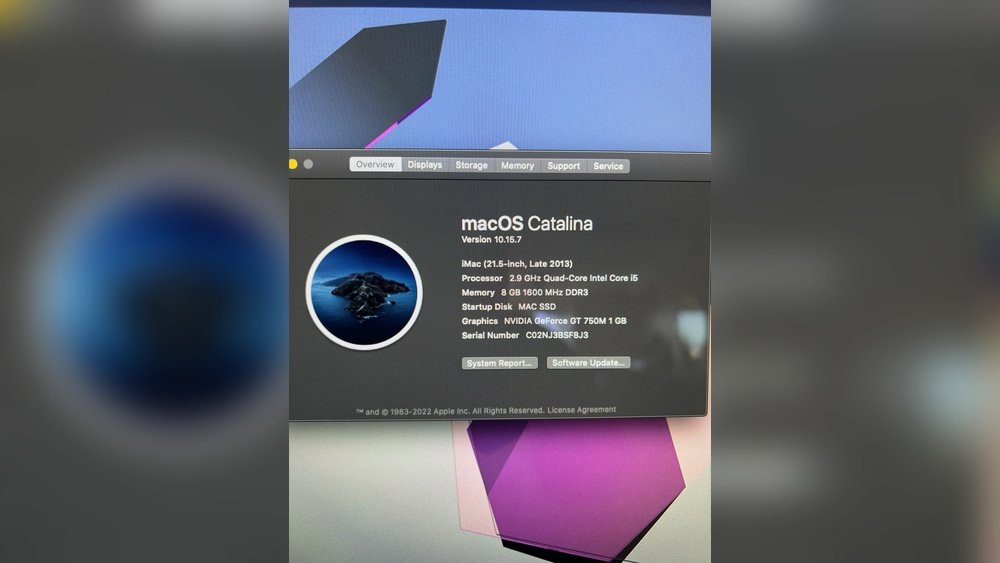
- Check your current usage: Open ‘About This Mac’ and see RAM and storage stats.
- Plan for the future: Will you use heavier apps or store more files?
- Set your budget: Upgrades are expensive. Is the extra cost worth it?
- Consider alternatives: Can you use external SSDs or cloud storage for files?
- Choose wisely: Once you buy, upgrades are permanent.
Low-competition Long-tail Keywords (suggestions)
- MacBook RAM upgrade cost
- MacBook storage upgrade worth it
- MacBook Air RAM vs storage
- Best RAM for MacBook Pro 2024
- MacBook upgrade guide for students
Internal Linking Ideas
- Link to an article about macOS optimisation tips for better performance.
- Link to a guide on MacBook external storage solutions and recommendations.
- Link to a comparison of MacBook Air vs MacBook Pro for different user types.
Frequently Asked Questions
Can I Upgrade Ram Or Storage On My Macbook After Purchase?
No, you cannot upgrade RAM or storage on most modern MacBooks after buying. Apple solders these parts to the motherboard. Always choose your desired configuration before purchase.
How Much Ram Does A Macbook Need For Video Editing?
For video editing, 16GB RAM is recommended. Some professionals use 32GB RAM for editing 4K or larger projects. Using less can cause slowdowns and crashes.
Is 256gb Storage Enough For A Macbook In 2024?
256GB storage is enough for basic tasks, documents, and light media. If you store many photos, videos, or use creative apps, 512GB or 1TB is safer.
Does More Ram Make My Macbook Faster?
More RAM improves multitasking and running heavy apps. It doesn’t make your MacBook faster for simple tasks like browsing or emails.
Are Apple’s Ram And Storage Upgrades Overpriced?
Apple’s upgrades are expensive but offer high reliability and speed. Alternatives like external SSDs and cloud storage are cheaper for storage, but RAM upgrades must be bought with the MacBook.
Final Thoughts
Choosing the right RAM and storage for your MacBook is a decision that lasts for years. Upgrading RAM brings smoother multitasking and future-proofing, while extra storage lets you keep more files and apps without worry. For most users, 16GB RAM and 512GB storage is a safe balance. Light users can save money with the base model, but creative professionals and heavy multitaskers should invest in upgrades.
Remember, you cannot upgrade later, so plan carefully. If you’re unsure, check your current usage, consider future needs, and look at alternatives like external SSDs or cloud storage. Making the right choice now saves money, stress, and keeps your MacBook running at its best.
For more technical information, visit the official Apple website: Apple Support.
 MacBook Gear